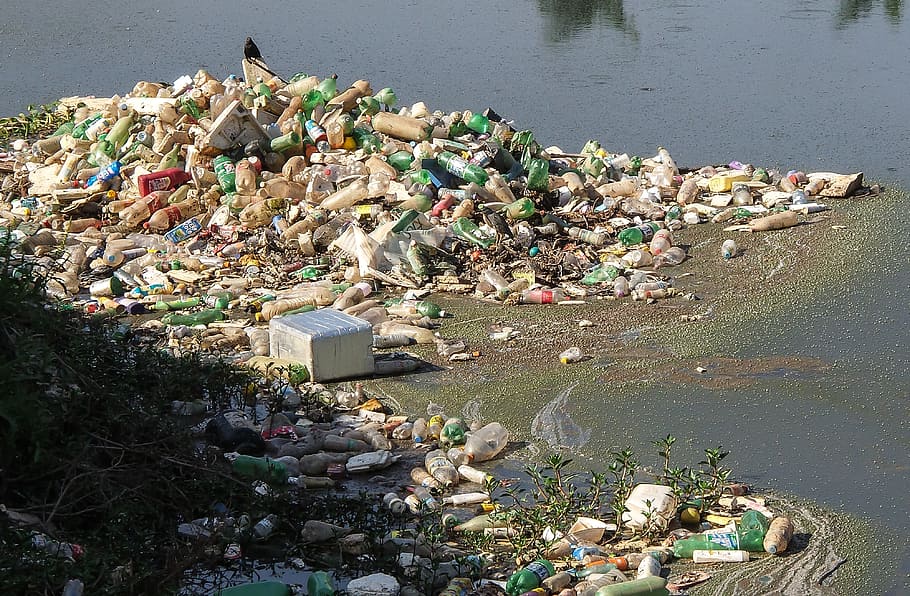
Water pollution occurs when a body or source of water is polluted until it is harmful to humans as well as the environment. It threatens ecosystems around the world, as all living creatures need water. Groundwater, fresh surface water, and oceans have all become polluted.
Groundwater is just what it sounds like, water that is underground. An aquifer is an underground area of porous rock that holds groundwater. About 40% of Americans rely on aquifers for a source of fresh water. Aquifers can be polluted by runoff that has seeped into the ground. They can become contaminated by fertilizers, pesticides, sewage, particles from the trash, and much more, polluting the entire water source. Once an aquifer is polluted, it can be unusable for decades to millennia. In addition, groundwater that leads into other bodies of water will spread the contaminants.
Bodies of fresh surface water include lakes, rivers, and ponds. Roughly 60% of Americans use these sources of freshwater for their everyday needs. Many rivers, streams, and lakes are no longer usable for safe swimming, drinking, or fishing because of water pollution. Litter is a very pressing concern, though runoff is the most significant cause of pollution for fresh surface water. Nutrients from farm runoff can cause plants to reproduce faster, thus throwing the ecosystem off balance. Animals that eat the plants will also have increasing populations until they eat all of the plants and start dying off. Also, bacteria will use more oxygen as they decompose the larger amount of dead plants, which causes oxygen levels in the water to drop.
Oceans are also becoming very polluted. The vast majority of marine pollution occurs on land, as chemicals, nutrients, litter, and more are washed into the sea. Plastic and other materials can enter the ocean by storm drains, sewers, and wind. Litter that ends up in the ocean can choke or restrain animals if it gets caught on them, not to mention severely harm animals that accidentally eat it (this is an article about a whale who died because it ate plastic: https://www.cnn.com/2019/03/18/asia/dead-whale-philippines-40kg-plastic-stomach-intl-scli/index.html).
Oceans are also polluted by oil spills. In 2010, the largest oil spill in history occurred. It is known as the Deepwater Horizon oil spill. It still affects the Gulf of Mexico’s ecosystem. Tons of wildlife died, as the oil influences the animals’ abilities to regulate their body temperature, to move freely, to float on the water, and much more. Many animals also died because they ingested some of the oil. (This article talks more in detail about the Deepwater Horizon oil spill: https://www.britannica.com/event/Deepwater-Horizon-oil-spill)
Everyone can help lower water pollution. Avoid using a lot of plastic and don’t use harmful pesticides and fertilizers on your gardens. Dispose of trash and harmful contaminants properly, so they don’t end up in the water. You should also check that your cars, septic systems, and more are working properly so that they don’t leak contaminants. Lastly, don’t forget to pick up your pet’s waste!
Another article concerning water pollution: https://www.cnn.com/2020/08/05/world/dolphins-whales-chemical-poisoning-scn/index.html
SOURCES:
https://www.britannica.com/event/Deepwater-Horizon-oil-spill
https://www.nrdc.org/stories/water-pollution-everything-you-need-know

No comments:
Post a Comment