Sunday, August 30, 2020

Polar Bears

2 polar bear cubs in a den. 

A starving polar bear trying to hunt.


https://youtu.be/_JhaVNJb3ag: This is a video on a starving polar bear, dying because of climate change.


Polar bears are fascinating creatures that live in the Arctic and various northern countries. They are known by many other names, including sea bears, ice bears, and the white sea deer. Polar bears are famous for their ability to thrive in a severe Arctic environment.

Polar bears depend on the sea ice to live. They hunt Ringed seals by waiting at holes in the ice that seals have made to breathe. When a seal surfaces, the polar lunges and kills it before the seal can dive back underwater. Their diet of seals gives polar bears a thick layer of fat, which protects them from the cold and also serves as an emergency source of energy.

Just like humans, polar bears sleep about 7-8 hours a day, in addition to the naps they take. Sleeping helps conserve energy, since they sometimes cannot eat for several days. They also communicate with each other, using body language, various noises, and scent markings. They can display their emotions, show aggression, and even beg another polar bear to share their food (this link is to a page on the Polar Bears International website that details their communication more in depth: https://polarbearsinternational.org/polar-bears/behavior/).

While polar bears have adapted to a harsh environment, their population is starting to decline. The three main causes are habitat loss, global warming, and human interference. The Arctic National Wildlife Refuge is a crucial habitat for them, but there are many proposals to drill for oil and gas there. Such drilling could destroy their habitats and lifestyle, especially if there is an accident such as an oil spill. However, the biggest threat to polar bears is global warming. As thicker layers of greenhouse gases surround Earth’s atmosphere, the entire planet starts to heat up, particularly the Arctic. The sea ice is melting, making it difficult for polar bears to hunt. The whole polar bear population is starting to starve as they are unable to catch seals. Polar bears are very gifted at swimming, but many of them have died or lost their young as they swim huge distances looking for sea ice. The long swims are also depleting their body fat, which subjects them to the cold.

In order to save the polar bears, humans have to drastically lower the amount of greenhouse gases we release. You can help by planting trees and limiting the amount of energy you use (see my post called 10 Easy Tips to be More Green for more tips on how to lower global warming).


These are two places where you can donate to help save the polar bears:

  1. https://defenders.org/

  2. https://polarbearsinternational.org/


Source: https://polarbearsinternational.org/


Thursday, August 13, 2020

Water Pollution


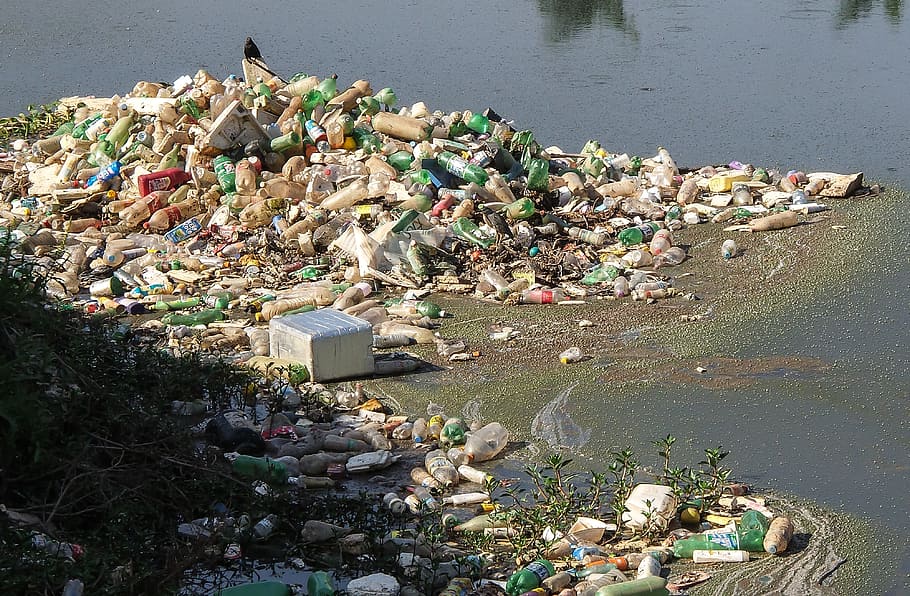
HD wallpaper: waste floating on water, Trash, River Pines, Rubble, Pollution  | Wallpaper Flare   

 Water pollution occurs when a body or source of water is polluted until it is harmful to humans as well as the environment. It threatens ecosystems around the world, as all living creatures need water. Groundwater, fresh surface water, and oceans have all become polluted.

    Groundwater is just what it sounds like, water that is underground. An aquifer is an underground area of porous rock that holds groundwater. About 40% of Americans rely on aquifers for a source of fresh water. Aquifers can be polluted by runoff that has seeped into the ground. They can become contaminated by fertilizers, pesticides, sewage, particles from the trash, and much more, polluting the entire water source. Once an aquifer is polluted, it can be unusable for decades to millennia. In addition, groundwater that leads into other bodies of water will spread the contaminants.

Bodies of fresh surface water include lakes, rivers, and ponds. Roughly 60% of Americans use these sources of freshwater for their everyday needs. Many rivers, streams, and lakes are no longer usable for safe swimming, drinking, or fishing because of water pollution. Litter is a very pressing concern, though runoff is the most significant cause of pollution for fresh surface water. Nutrients from farm runoff can cause plants to reproduce faster, thus throwing the ecosystem off balance. Animals that eat the plants will also have increasing populations until they eat all of the plants and start dying off. Also, bacteria will use more oxygen as they decompose the larger amount of dead plants, which causes oxygen levels in the water to drop.

Oceans are also becoming very polluted. The vast majority of marine pollution occurs on land, as chemicals, nutrients, litter, and more are washed into the sea. Plastic and other materials can enter the ocean by storm drains, sewers, and wind. Litter that ends up in the ocean can choke or restrain animals if it gets caught on them, not to mention severely harm animals that accidentally eat it (this is an article about a whale who died because it ate plastic: https://www.cnn.com/2019/03/18/asia/dead-whale-philippines-40kg-plastic-stomach-intl-scli/index.html). 

Oceans are also polluted by oil spills. In 2010, the largest oil spill in history occurred. It is known as the Deepwater Horizon oil spill. It still affects the Gulf of Mexico’s ecosystem. Tons of wildlife died, as the oil influences the animals’ abilities to regulate their body temperature, to move freely, to float on the water, and much more. Many animals also died because they ingested some of the oil. (This article talks more in detail about the Deepwater Horizon oil spill: https://www.britannica.com/event/Deepwater-Horizon-oil-spill)

Everyone can help lower water pollution. Avoid using a lot of plastic and don’t use harmful pesticides and fertilizers on your gardens. Dispose of trash and harmful contaminants properly, so they don’t end up in the water. You should also check that your cars, septic systems, and more are working properly so that they don’t leak contaminants. Lastly, don’t forget to pick up your pet’s waste!


Another article concerning water pollution: https://www.cnn.com/2020/08/05/world/dolphins-whales-chemical-poisoning-scn/index.html


SOURCES: 

  1. https://www.britannica.com/event/Deepwater-Horizon-oil-spill

  2. https://www.nrdc.org/stories/water-pollution-everything-you-need-know


My thanks to Victoria for helping me edit this post!!

10 Easy Tips to be more Green!


  1. Reduce, Reuse, and Recycle: There are so many easy things you can do to reduce, reuse, and recycle resources. A few examples are listed below.

    1. Reduce - Use reusable plates, utensils, and other objects instead of plastic and paper ones to reduce the amount of trash you throw out. 

    2. Reuse - Upcycling clothes is another way of reusing things. Just take some old clothes and add a patch or something to make it like new, instead of buying more clothes.

    3. Recycle - just recycle everything that you can! Bottles, cardboard, paper, and more are all recyclable. 

  2. Don’t Litter: Litter negatively impacts the environment in so many ways. Dispose of your trash in recycling and garbage cans.

  3. Turn off Lights and Electronics When not in Use: It is very easy to just turn off electronic devices  that you are not using. This will significantly reduce the amount of energy you use.

  4. Plant trees and other plants: Trees get rid of many harmful greenhouse gasses and produce oxygen.

  5. Donate: Instead of throwing your old possessions away, donate old clothes, blankets, food, toys, and other items to charities, thrift stores, shelters, etc.. This will reduce waste and will provide resources for others in need.

  6. Raise Awareness: Spread awareness about environmental issues and how to help!

  7. Limit Use of Vehicles: Try to walk, ride a bike, or carpool to conserve fuel and reduce pollution.

  8. Limit buying/using things that take from or harm the rainforests: Every minute, about 50 football field’s worth of forest is cut down. Rainforests absorb most of the greenhouse gases in the environment. They are also the source of so many necessities, such as wood and food. Additionally, hundreds of species live in and depend on rainforests. Limit the things you take from the rainforest! 

  9. Regularly check and maintain cars and septic systems: Make sure to regularly check that cars, septic systems, and many other things around the house are working properly. Cars that leak oil, septic systems that release sewage runoff, and more severely harm the environment. A leaky toilet can waste a lot of water.

  10. Additional Ways to help out: You can help pick up litter, donate money to environmental charities, and encourage others to live greener lives!

Thank you, Victoria, for helping me edit this post!